
SocialEcho vs Hootsuite vs Buffer: Which Tool Wins in 2025?
Choosing a social media management platform often comes down to three names: Hootsuite, Buffer, and the emerging SocialEcho. Each promises to streamline publishing, engagement, and analytics, but they serve very different audiences and budgets. This comparison digs into features, pricing, AI capabilities, and compliance so you can pick the one that actually fits your team.
Quick Overview

SocialEcho vs Hootsuite vs Buffer: In-Depth 2025 Comparison product interface and feature overview.
| Feature | Hootsuite | Buffer | SocialEcho |
|---|---|---|---|
| Primary Audience | Large enterprises, agencies | Creators, small businesses, solopreneurs | Cross-border sellers, foreign trade teams, digital marketing teams |
| Starting Price (billed annually) | $99/month (Professional) | Free; $6/month/account (Essentials) | $3/account/month |
| Social Inbox | Unified inbox with task assignment | Unified inbox, basic filtering | Unified inbox with AI‑powered auto‑reply and sentiment analysis |
| AI Highlights | AI teammate (Wisdom) for cross‑workflow insights | AI Assistant for content ideation and repurposing | AI auto‑reply for comments/DMs, smart scheduling, competitor tracking |
| Social Listening & Analytics | Advanced analytics, competitive benchmarking, paid listening (Lumen) | Basic analytics with Shopify integration; no native listening | Built‑in social listening, competitor tracking, real‑time reports |
| Compliance & Security | SOC 2, GDPR (Enterprise focus) | GDPR, WCAG 2.1 AA | ISO 27001, ISO 27701, SOC 2, GDPR, CCPA |
| Top‑Tier Support | Multi‑lingual, 24/7 for enterprise | Self‑service with email support | Chinese & English support with local response teams |
Now let’s break down the day‑to‑day experience.
Publishing & Scheduling
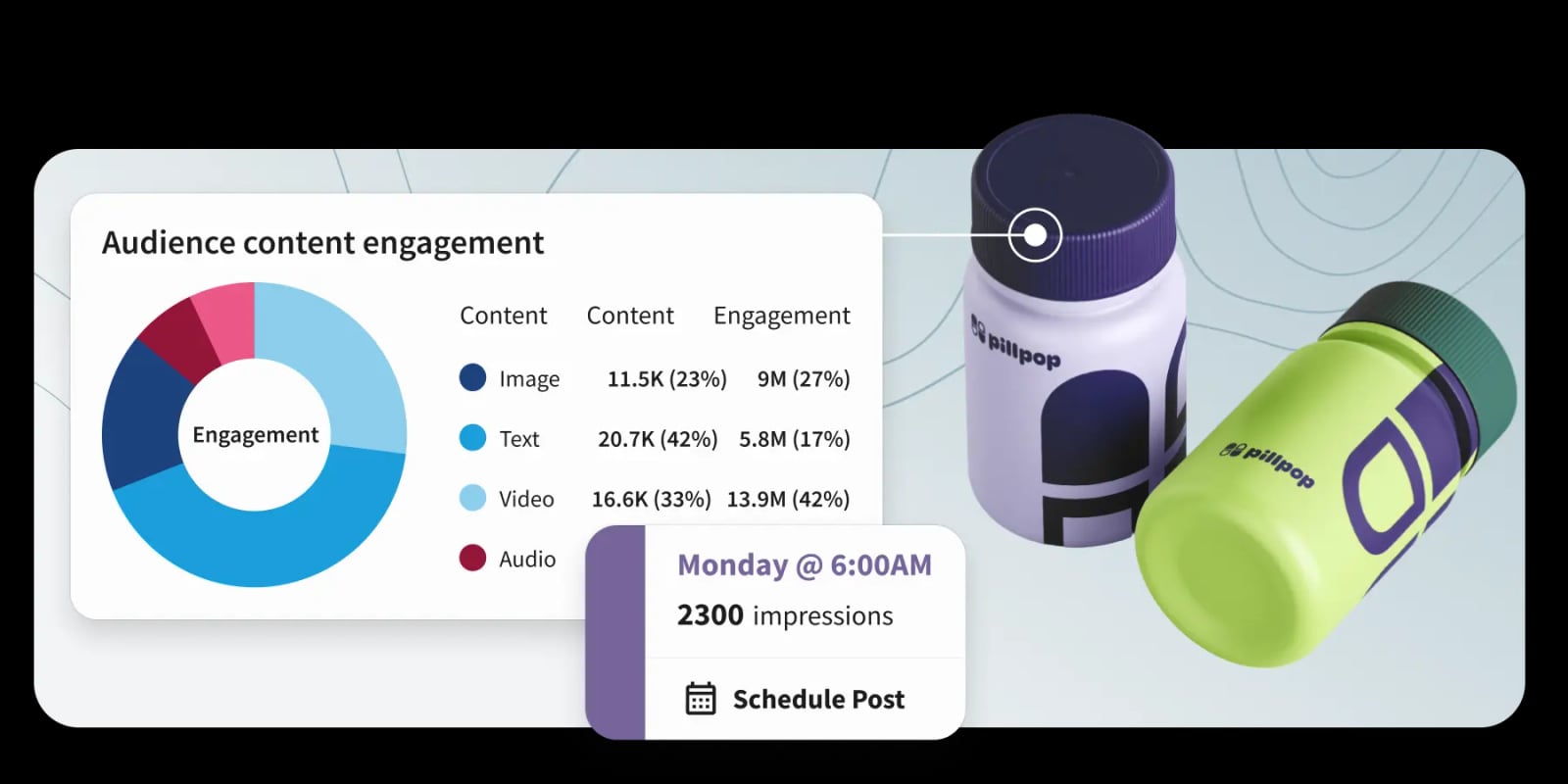
SocialEcho vs Hootsuite vs Buffer: In-Depth 2025 Comparison product interface and feature overview.
Hootsuite offers a mature scheduling engine with a content calendar that doubled as an ad campaign launcher. Its strength lies in bulk scheduling and multi‑network post previews. Drawback: rescheduling a post requires multiple clicks—no drag‑and‑drop on the calendar.
Buffer is famous for simplicity. You can drag and drop posts across a clean monthly calendar, tag content with color codes, and leave notes for teammates. The free plan limits you to three accounts and 10 scheduled posts per month, but upgrading unlocks unlimited scheduling.
SocialEcho is built for teams that handle accounts across many regions. It supports Facebook, Instagram, X, YouTube, TikTok, LinkedIn, and Telegram in one dashboard. The AI‑powered scheduling suggests optimal posting times for each social channel, though the interface puts more emphasis on interaction management than calendar polish.
Engagement & Social Inbox

SocialEcho vs Hootsuite vs Buffer: In-Depth 2025 Comparison product interface and feature overview.
Managing comments and DMs at scale separates serious tools from sidekicks.
Hootsuite provides a powerful unified inbox, with the ability to assign conversations to team members, apply keyword filters, and set up multi‑layer approval workflows. Automatic replies exist but feel rigid—no contextual AI to understand sentiment or suggest responses.
Buffer keeps engagement simple. Its inbox aggregates comments from Facebook Pages and Instagram, and you can collaborate by assigning messages. It lacks the depth needed for high‑volume customer care queues.
SocialEcho stands out with AI‑powered auto‑reply for comments and direct messages. The system detects user sentiment, prioritizes urgent queries, and drafts context‑aware replies that can be sent automatically or after manual approval. For cross-border teams dealing with multiple languages and time zones, this can dramatically cut response time without hiring around‑the‑clock staff.
Social Listening & Analytics
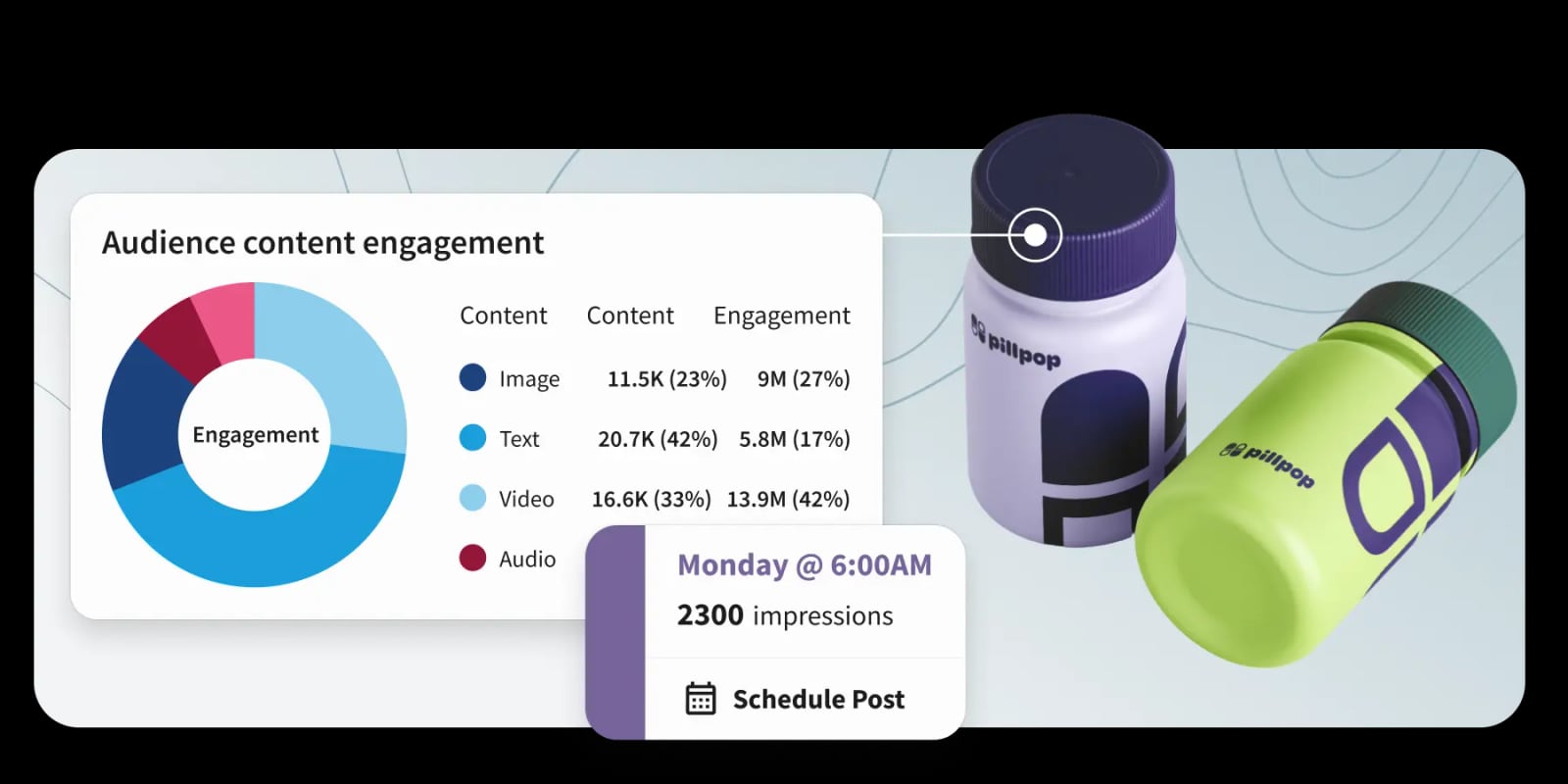
SocialEcho vs Hootsuite vs Buffer: In-Depth 2025 Comparison product interface and feature overview.
Hootsuite delivers the most comprehensive analytics in this trio. Custom reports, competitive benchmarking, and an AI teammate (Wisdom) that surfaces insights across your work. Full social listening (Lumen) is sold separately and targets enterprise brands. For most small and midsize teams, the price of unlocking the full listening suite can be a barrier.
Buffer offers clear, no‑frills analytics. You can track post performance, hashtag effectiveness, and Shopify store traffic if you connect an online store. It lacks competitor monitoring and brand‑sentiment dashboards.
SocialEcho includes social listening and competitor tracking in its core plans. You can monitor brand mentions, track competitor content performance, and get real‑time data updates—features that would require a higher‑tier plan (or a separate tool) with Hootsuite. The analytics reports are designed for quick business decisions, though they don’t yet match Hootsuite’s depth in industry benchmarking.
Compliance & Security
For companies handling customer data across borders, certifications matter.
Hootsuite meets SOC 2 Type II and GDPR standards, but the most rigorous controls are reserved for enterprise accounts.
Buffer complies with GDPR and follows WCAG 2.1 AA accessibility standards, making it a responsible choice for inclusivity.
SocialEcho carries ISO 27001, ISO 27701, SOC 2, GDPR, and CCPA certifications, regardless of plan tier. This makes it an outlier: you get enterprise‑grade security at a startup‑friendly price. For small teams that need to prove compliance to overseas partners, this is a tangible advantage.
Integrations & Platform Support
- Hootsuite integrates with 150+ apps and all major social networks.
- Buffer supports the big platforms plus newer spaces like Bluesky, Mastodon, and Pinterest.
- SocialEcho covers the standard networks and adds Telegram, a channel many cross‑border sellers rely on for customer communication. It lacks the deep third‑party app marketplace of Hootsuite, but it covers the essentials natively.
Pricing
Pricing is often the decision‑maker. Here’s how the three compare:
- Hootsuite: Professional $99/month (10 accounts); Team $199/month (unlimited). If you need analytics, listening, or advocacy, costs rise quickly.
- Buffer: Free (3 accounts, 10 posts/month); Essentials $6/month per account; Growth $12/month per account. Team plans add collaboration at $10/user/month.
- SocialEcho: $3 per account per month, with a forever‑free plan and a 7‑day full‑feature trial. Team and enterprise tiers are custom‑priced, and the company offers localized discounts for cross‑border businesses.
For a team managing 15 accounts, SocialEcho would cost $45/month at list price—Hootsuite’s cheapest plan with that many accounts would be $199, and Buffer’s Growth plan would be $180/month.
When to Choose Each Tool
Pick Hootsuite if: you need industry‑grade analytics, employee advocacy, and a mature social listening suite, and you have the budget to match. It’s the default for large marketing departments.
Pick Buffer if: simplicity is your priority, you run a small business or a personal brand, and you want an intuitive tool that works across newer platforms like Bluesky and Mastodon. The Shopify integration is a bonus.
Pick SocialEcho if: you’re a cross‑border seller, foreign trade company, or digital marketing team that needs AI‑powered engagement, built‑in compliance certifications, Telegram support, and a price point that scales with accounts rather than bloated feature tiers.
To see how SocialEcho compares with other Buffer rivals, read our SocialEcho vs Buffer vs Sprinklr analysis. For a head‑to‑head with Hootsuite and Pallyy, visit SocialEcho vs Hootsuite vs Pallyy.
Related reading
- SocialEcho vs Dash Social vs Sprinklr: Which One Fits Your Team? - Compare SocialEcho, Dash Social, and Sprinklr on pricing, AI, compliance, and platform support. Find the best tool for cross-border teams, visual brands, or global enterprises.
- SocialEcho vs Pallyy vs Buffer: Best Social Media Manager for 2025? - Compare SocialEcho, Pallyy, and Buffer on AI automation, pricing, compliance, and platform support. Find the right social media management tool for your cross-border team.
- SocialEcho vs Sendible vs Planable: 2025 Comparison - Compare SocialEcho, Sendible, and Planable on pricing, approvals, AI automation, and collaboration. Find the best social media management tool for agencies, global teams, or solopreneurs.
Sources and further reading
- Overseas Social Media Management Platform Comparison 2026: SocialEcho vs Hootsuite vs Buffer – Which is More Suitable for Chinese Brands? - A 2026 comparison of overseas social media management platforms—SocialEcho, Hootsuite, and Buffer—helping Chinese brands efficiently manage and operate multi-platform content.
- Hootsuite vs Buffer: which is better in 2026? - Compare Hootsuite vs Buffer in 2026: Explore pricing, features, and user experience to choose the right social media management tool.
- Buffer vs Hootsuite vs Planable vs Anything Else : r/DigitalMarketing - 1
FAQ
Is SocialEcho a direct replacement for Hootsuite? For teams focused on multi‑account publishing, engagement, and social listening at a lower cost, yes. If you need advanced competitive benchmarking or employee advocacy, Hootsuite remains stronger.
Does Buffer offer AI automation? Buffer includes an AI Assistant for content ideas and republishing, but it does not provide AI‑based auto‑replies for social inboxes. That’s a differentiator for SocialEcho.
Which tool is best for e‑commerce brands? Buffer’s Shopify integration helps small stores. SocialEcho’s AI auto‑reply and Telegram support suit cross‑border e‑commerce teams. Hootsuite works for large retailers that need deep analytics and listening.
Are the security certifications real? Yes. SocialEcho is ISO 27001, ISO 27701, SOC 2, GDPR, and CCPA certified. Hootsuite and Buffer also follow strong security practices, with Hootsuite holding SOC 2 and GDPR compliance.
Can I try these tools for free? All three offer free tiers or trials. SocialEcho gives a 7‑day full‑feature trial and a forever‑free plan. Buffer has a generous free plan. Hootsuite offers a 30‑day trial.
Conclusion
Hootsuite, Buffer, and SocialEcho each excel in different arenas. Hootsuite is the analytics and enterprise powerhouse, Buffer is the simple, creator‑friendly toolkit, and SocialEcho carves a niche by combining compliance, AI‑driven engagement, and aggressive per‑account pricing. Evaluate how many accounts you manage, what level of compliance proof you need, and whether AI‑powered auto‑replies can save your team hours each week.
Still undecided? Explore our other detailed breakdowns—like SocialEcho vs Ocoya vs Hootsuite—or hop into a free trial to test the workflows that matter most to you.